Strategic Application of Tapir Animal in Forest Environment Vector Assets
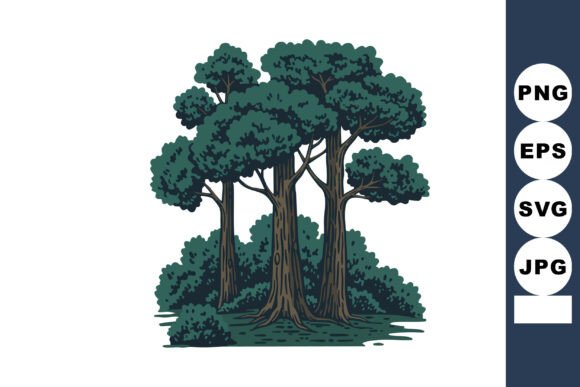
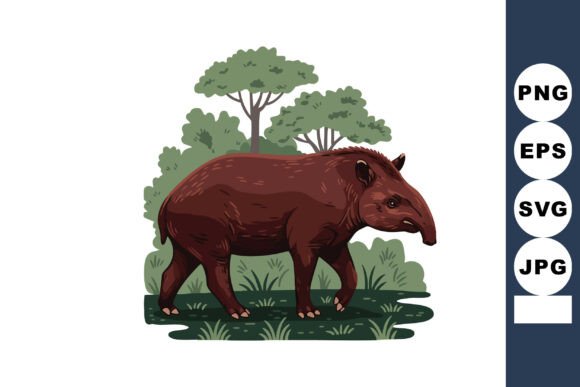
The Tapir Animal in Forest Environment Vector represents more than a simple graphic element; it is a strategic visual asset designed to communicate specific themes of tranquility, biodiversity, and organic balance. For professionals ranging from environmental educators to sustainable brand managers, this illustration serves as a functional tool for visual storytelling. The vector depiction of a tapir navigating a dense forest with trees and bushes captures a calm, peaceful setting that resonates with audiences seeking authenticity and connection to nature. Unlike raster images that degrade upon resizing, the inclusion of SVG and EPS formats within the downloadable ZIP ensures that this asset maintains crisp integrity across all media, from large-format exhibition banners to mobile application icons.
Understanding the technical and aesthetic value of this asset is the first step toward leveraging it effectively. The vector format allows for infinite scalability without loss of quality, which is critical for maintaining professional standards in both print and digital environments. Furthermore, the editable nature of SVG and EPS files grants designers the flexibility to adapt color palettes, line weights, and compositional elements to align precisely with existing brand guidelines. This adaptability transforms a static illustration into a dynamic component of a broader visual identity system, ensuring consistency while reducing the need for custom illustration commissions.
Aligning Visual Assets with Strategic Communication Goals
Before integrating the Tapir Animal in Forest Environment Vector into a project, decision-makers must evaluate how the imagery supports specific communication objectives. Visuals are not merely decorative; they carry semantic weight that influences audience perception. A tapir is an unconventional choice compared to more ubiquitous wildlife symbols like bears or eagles. This distinctiveness can be leveraged to signal niche expertise, particularly in sectors focused on Neotropical conservation, rainforest ecology, or specialized eco-tourism. Using this specific vector demonstrates a level of research and intentionality that generic stock photography often lacks.
For marketers and content creators, the "calm and peaceful setting" depicted in the illustration offers a psychological anchor. In an era of high-stimulation digital advertising, visuals that evoke stillness can improve engagement by offering a momentary respite. This is particularly relevant for wellness brands, meditation apps, or educational platforms where the user experience benefits from reduced cognitive load. However, this alignment only works if the surrounding copy and layout reinforce the same tone. Pairing this serene vector with aggressive sales copy or chaotic design elements creates cognitive dissonance that undermines trust. Strategic use requires a holistic audit of the user journey to ensure the visual asset amplifies rather than contradicts the intended message.
Technical Versatility Across Formats and Use Cases
The practical utility of the Tapir Animal in Forest Environment Vector lies in its multi-format availability. Understanding when to deploy each file type included in the ZIP archive is essential for operational efficiency and quality control:
- SVG (Scalable Vector Graphics): Ideal for web development and responsive design. SVGs are code-based, meaning they can be styled with CSS, animated via JavaScript, and remain sharp on Retina displays. They also contribute to better SEO performance as search engines can index the text and metadata within the file.
- EPS (Encapsulated PostScript): The industry standard for professional printing and extensive editing in Adobe Illustrator. Use this format when sending assets to print vendors for packaging, merchandise, or large-scale signage to ensure color accuracy and vector precision.
- PNG (Portable Network Graphics): Best for presentations, documents, and non-design software where vector support is limited. PNGs preserve transparency, allowing the tapir and forest elements to overlay seamlessly onto colored backgrounds without jagged edges.
- JPG (Joint Photographic Experts Group): Suitable for quick previews, social media thumbnails, or contexts where file size is a strict constraint and transparency is unnecessary. Note that JPGs do not support transparent backgrounds and may introduce compression artifacts.
Selecting the correct format prevents downstream production issues. A common operational failure occurs when teams use low-resolution JPGs for print materials or heavy PNGs for websites, resulting in poor quality or slow load times. By utilizing the appropriate vector source files, organizations maintain a single source of truth for their visual assets, streamlining workflows between marketing, design, and external partners.
Enhancing Brand Positioning and Educational Value
For educators, publishers, and non-profit organizations, the Tapir Animal in Forest Environment Vector functions as a pedagogical aid. Tapirs are often referred to as "gardeners of the forest" due to their role in seed dispersal. Utilizing this illustration in educational materials provides an opportunity to discuss ecosystem services, habitat connectivity, and conservation biology in a visually engaging manner. The vector style simplifies complex biological concepts, making them accessible to younger audiences or general readers without sacrificing scientific accuracy. When used in textbooks, museum exhibits, or interpretive signage, the clean lines and natural colors help focus attention on key learning outcomes rather than photographic noise.
In commercial branding, this asset supports positioning strategies centered on sustainability and ethical sourcing. Brands operating in the coffee, chocolate, or cosmetics industries often source raw materials from tapir habitats. Incorporating this specific wildlife illustration can serve as a subtle indicator of geographic origin and ecological stewardship. It moves beyond generic "green" imagery to tell a specific story about place and biodiversity. However, this strategy demands authenticity. If a brand uses this vector to imply environmental responsibility without substantiating claims through supply chain transparency or certification, the asset becomes a liability. Visuals must always be backed by verifiable action to maintain credibility with increasingly discerning consumers.
Risk Mitigation and Contextual Awareness
While the Tapir Animal in Forest Environment Vector is versatile, its misuse can lead to strategic misalignment. One primary risk is cultural or geographical inaccuracy. Tapirs are native to Central and South America, as well as Southeast Asia. Using this illustration in content related to North American or European forests creates a factual error that damages authority. Professionals must verify that the species depicted matches the ecological context of their project. Additionally, the stylized nature of vector art means that anatomical details may be simplified. For scientific publications requiring taxonomic precision, this illustration should be vetted by a subject matter expert to ensure it does not propagate misconceptions about the animal’s morphology.
Another consideration is licensing and exclusivity. As a downloadable asset, this vector may be available to multiple users. For brands requiring unique visual identity, relying solely on this asset without modification poses a risk of visual duplication. Strategic practitioners should treat this vector as a foundation rather than a final product. Modifying colors, combining it with other bespoke elements, or integrating it into a larger custom composition mitigates the risk of generic appearance. This approach balances cost-efficiency with the need for distinctive brand expression.
Decision-Making Framework for Asset Integration
To maximize the return on investment for the Tapir Animal in Forest Environment Vector, adopt a structured decision-making framework before deployment. Ask the following questions to ensure intentional use:
- Does the visual tone match the emotional objective? Confirm that the "calm and peaceful" aesthetic aligns with the desired user response. If the goal is urgency or excitement, this asset may be counterproductive.
- Is the ecological context accurate? Verify that the tapir species and forest environment correspond to the geographic region discussed in the content.
- Have we selected the optimal file format? Ensure the technical specifications (SVG vs. PNG vs. EPS) match the delivery medium to prevent quality degradation.
- Does this asset require customization? Assess whether the base vector needs color grading or stylistic adjustments to integrate seamlessly with existing brand systems.
- Is the usage ethically and legally compliant? Review licensing terms to confirm permitted uses, especially for commercial merchandise or trademark applications.
By applying this framework, professionals move beyond aesthetic preference to strategic justification. The Tapir Animal in Forest Environment Vector becomes a deliberate choice that enhances clarity, reinforces messaging, and elevates the overall quality of the deliverable. Whether used to soothe users in a digital interface, educate students about rainforest ecology, or signal sustainable practices in product packaging, its value is derived from thoughtful application. Ultimately, the most effective visual assets are those that serve a clear purpose, respect the audience’s intelligence, and withstand the scrutiny of both technical and contextual evaluation.